
Clinical Hours
10 Practical Strategies to Get Clinical Hours as a Student
A realistic action plan for finding patient-facing jobs, volunteer roles, and observation opportunities while balancing school.
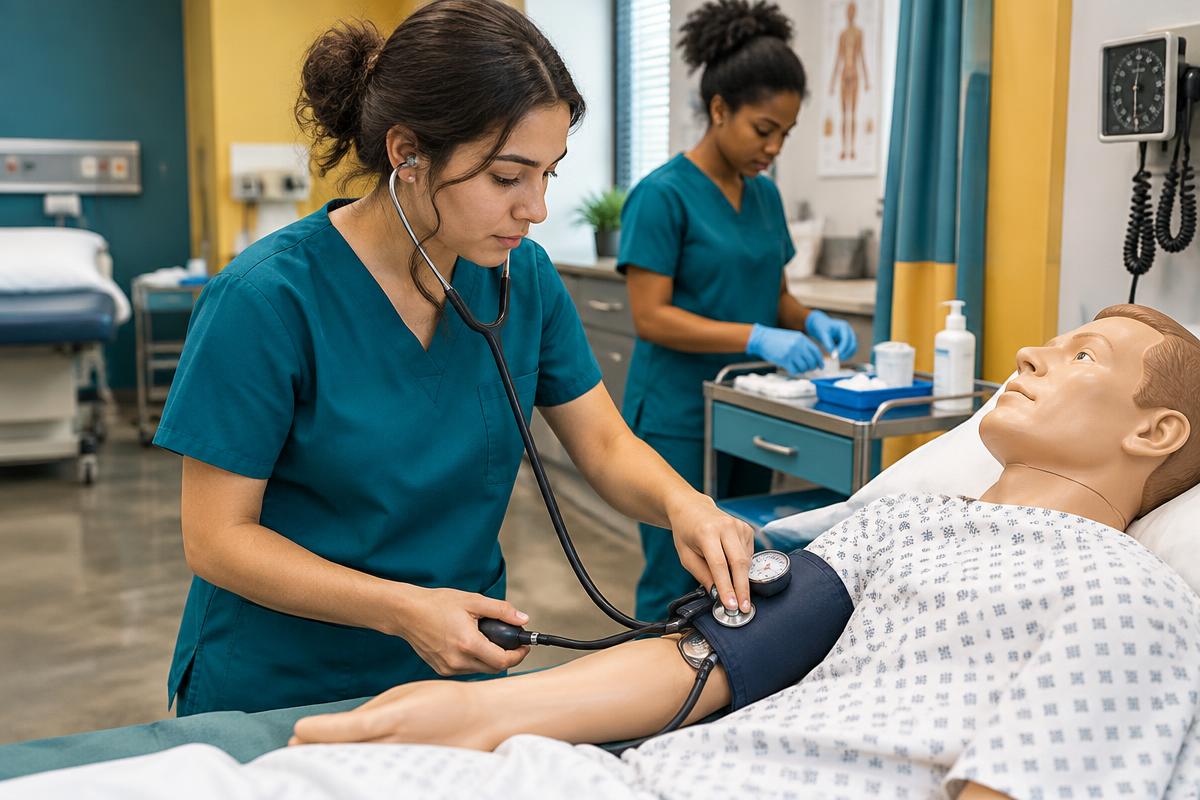
Finding clinical experience can feel circular: you need experience to qualify for opportunities, but you need an opportunity to gain experience. The best way forward is to widen your search, match roles to your available training, and make specific requests.
Start with a targeted search
Write down your weekly availability, transportation radius, budget for training, and the type of exposure you need. Then search beyond major hospitals. Community clinics, rehabilitation centers, hospice organizations, blood centers, long-term care facilities, specialty practices, and campus health programs may offer relevant roles.
- 1. Ask your school's pre-health office for active local contacts, not only a general resource list.
- 2. Search health-system career pages for entry-level patient-facing roles.
- 3. Contact community clinics and nonprofit health organizations directly.
- 4. Use alumni, faculty, family, and classmates for introductions—never for special access to patients.
- 5. Attend career fairs with a one-page résumé and a clear availability statement.
Choose the shortest responsible path to patient-facing work
Some roles require formal certification; others provide employer training or have no certification requirement. Medical assistant duties and requirements can vary by employer and state. Certified nursing assistant, EMT, and phlebotomy pathways usually require structured training. Compare cost, schedule, local demand, and the duties you would actually perform before enrolling.
If direct care is your goal, ask employers for a realistic description of daily responsibilities. A title alone cannot tell you whether an admissions program will classify the work as PCE or HCE.
Make outreach easy to answer
A useful email is short and specific. Introduce yourself, explain the role or observation you seek, state your availability, and mention that you will complete required onboarding. Ask whether the organization has a formal process. Do not send repeated daily messages; one polite follow-up after a reasonable interval is enough.
- 6. Ask for one defined next step, such as an application link or volunteer coordinator contact.
- 7. Offer consistent weekly availability instead of saying you are available anytime.
- 8. Apply to several appropriate organizations rather than waiting on one reply.
Turn the first opportunity into sustained experience
Once accepted, be dependable. Arrive prepared, protect patient privacy, stay within your role, and ask for feedback. Consistency may lead to richer responsibilities and stronger supervision over time.
- 9. Track every shift and describe your actual duties immediately afterward.
- 10. Review your log monthly so you can fill gaps in settings, professions, or experience types.
Classify each experience honestly
PCE involves responsibility for direct care. HCE occurs in a healthcare environment without responsibility for providing the patient's care. Shadowing is observation. Volunteer and research work should remain in their own categories. Individual programs can classify the same duties differently, so verify requirements with each school before you apply.
Admissions requirements and experience classifications vary by school and can change. Confirm current expectations directly with each program before applying.